Pregnancy Health
Avoid Having Your Baby Too Early: Your Guide to Preterm Labor and Birth
Health Education
4 min read
Amy Agarwal
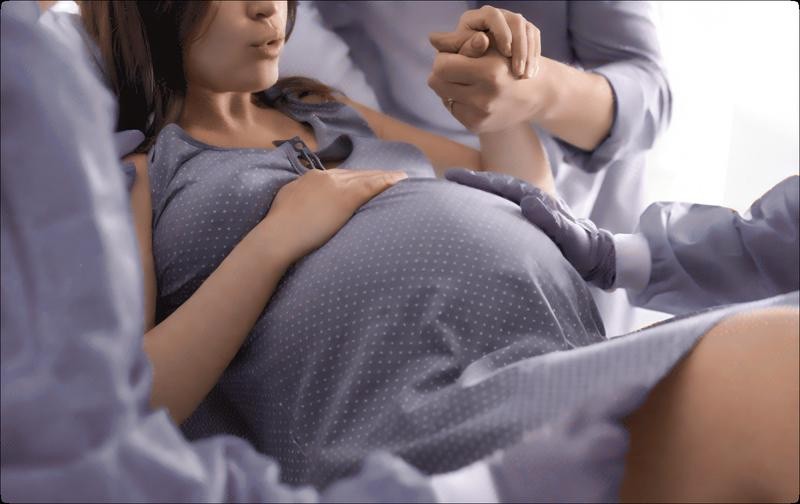
Preterm birth is a common challenge that impacts millions of families around the world every year. A baby born before 37 weeks of pregnancy is called preterm or premature. About 1 of every 10 babies are born prematurely, globally and in the US (WHO; CDC). Babies who are born too early are more likely to have health issues than those who are born at full-term. Many of these babies require special medical care in a neonatal intensive care unit (NICU). When you avoid a preterm birth, your baby has the time it needs to grow and develop in your womb. Not all preterm births can be avoided, but some can. Knowing if you might be at risk, understanding warning signs, and working with your healthcare team to practice healthy behaviors can make a big difference.
The Difference Between Preterm Labor and Preterm Birth
Usually, a pregnancy lasts about 39 to 40 weeks—this is called a full-term pregnancy. If you go into labor before 37 weeks, that is called preterm labor. Similarly, if you have your baby before 37 weeks, that is called preterm birth. Sometimes, preterm labor will start and then stop by itself. But, often, medical treatment is needed to prevent a preterm birth. If you think you are going into labor early, it is important to visit your healthcare provider immediately. Preterm births are not always caused by preterm labor—sometimes a healthcare provider may recommend their patient deliver their baby early if a health condition puts the patient or baby at risk.
Common Causes of Preterm Labor and Birth
Health experts do not always know the exact cause. According to ACOG and the NIH, you may have a higher risk of preterm labor and birth if you:
Had a preterm birth previously
Are carrying twins, triplets, or more
Gave birth to your last baby recently (became pregnant less than six months after your last baby was born)
Got pregnant through in vitro fertilization (IVF)
Have an infection in your reproductive organs, such as a reproductive or urinary tract infection or an STI
Have a long-term health condition, like diabetes or high blood pressure
Have a short cervix or a previous medical procedure on your cervix
Have vaginal bleeding
Are younger than 17 or older than 34
Were either underweight or overweight before you got pregnant
Use alcohol, tobacco, or illegal drugs during your pregnancy
Your environment can also increase your risk—being abused, dealing with nonstop stress, not having a support system, and being exposed to environmental pollutants. In the US, if you are Black, you are twice as likely to have a preterm birth compared to your White peers. Other minorities and people in low-income communities are also more at risk, because these groups are more likely to experience long-term stress and obstacles in accessing care.
Signs of Preterm Labor
It is important to contact your healthcare provider immediately if you notice any of these:
Stomach cramps, like period cramps, with or without diarrhea
Back pain that won’t go away
Frequent contractions, which may be painless
Feeling like something is pressing on your belly or pelvis
Vaginal discharge that may be watery, bloody, or have a strong odor
A sudden gush or trickle of fluid from the vagina
Possible Health Issues in Preterm Babies
Babies born prematurely are more likely to be born with a low birth weight and to have certain health conditions, including: Blood conditions (anemia and jaundice); Brain and spine conditions (bleeding in the brain and meningitis); Breathing conditions (apnea and pneumonia); Digestive conditions; Heart conditions and heart disease; and Other infections (UTIs and sepsis). Preterm babies are also more likely to develop cerebral palsy, hearing and vision issues, learning disabilities, and developmental delays. Preterm labor and birth can also affect your mental health—people who have gone through preterm labor are more likely to have anxiety, depression, or PTSD.
Treatment for Preterm Babies
Many preterm babies need special care and are placed in a NICU where specialists can provide round-the-clock treatment. How long a baby needs to stay depends on how early they were born and how serious their health conditions are—some stay a couple of days, others a couple of months or more. While NICUs offer important, life-saving care, they are also very expensive and stressful. You can learn more in our previous blog post, NICU 101: How Healthy Pregnancies Support Healthy Babies.
How to Reduce Your Risk of Preterm Labor and Birth
Make healthy choices: Eat a balanced diet and do not use alcohol, tobacco, or illegal drugs. Prioritize your mental health: Develop coping skills; if you are feeling worried or sad a lot, talk to your doctor. See your healthcare provider regularly: Go to all of your antenatal appointments. Watch out for warning signs: Noticing an issue and seeking care quickly can help prevent a small problem from becoming serious.
How BobiHealth Can Help
When you pay attention to your body and keep track of your vitals, you can identify early signs that something may be off. With the Bobi app, you can track vital signs like blood pressure, heart rate, and temperature—either by entering the data yourself or connecting your smart watch. The app will remind you to report symptoms that may be signs of health issues, such as: Pain and discomfort (cramps, back pain, and pressure); Vaginal discharge and bleeding; and Urinary issues (like burning when you pee). BobiHealth uses this information to alert you to contact your healthcare provider if there may be an issue. Digital health tools cannot prevent all cases of preterm labor and do not replace the need for regular visits with your healthcare provider. Use the app in addition to your regular health appointments.
Take the Next Step Now
The idea of preterm labor and birth can be scary, but knowledge is a powerful tool. Understanding your risk level, watching for warning signs, and knowing when to seek help is key. Save this article now and share it with your partner. Then, download the BobiHealth App and start monitoring your health today.
Useful Terms
To explore more definitions of medical terminology that may come up during your care, check out the comprehensive BobiHealth Glossary.
Anemia: happens when there are not enough red blood cells or they do not have enough protein to give the body the oxygen it needs. Apnea: when a baby stops breathing for at least 20 seconds. Cervix: the part of the birth canal that connects the uterus with the vagina. Full-term pregnancy: lasts about 39 to 40 weeks. Jaundice: happens when the liver does not clean the blood well enough to remove bilirubin, causing the eyes and skin to look yellow. Meningitis: when the membranes around the brain and spinal cord swell because of an infection. NICUs: special areas in a hospital or birthing center that provide extra care for newborns with serious health conditions. Pneumonia: an infection of the lungs that can make breathing hard. Premature/preterm: babies born before the 37th week of pregnancy. Preterm labor: labor before the 37th week of pregnancy. Preterm birth: a birth before the 37th week of pregnancy. Reproductive tract infection (RTI): an infection of any of the reproductive organs. Sexually transmitted infection (STI): an infection typically passed through sexual contact. Sepsis: when the body overreacts to an infection and the immune system attacks healthy organs. Urinary tract infection (UTI): an infection of any part of the urinary system.